Disruptive Success: How Agile Start-Up Direct Selling Companies Are Outshining Traditional Giants
What Direct Selling Leaders Can Learn From 2025 and How to Apply It in 2026
As 2026 begins, direct selling leaders find themselves at a pivotal moment. The industry weathered economic volatility, regulatory scrutiny, and a rapidly evolving distributor mindset in 2025, yet it also saw remarkable resilience and innovation.
The Direct Selling News Global 100 list once again highlighted the companies that adapted, digitized, and reimagined distributor experience in ways that drove growth. But the biggest story of 2025 isn’t just who rose or fell in the rankings, it’s why.
If 2025 was the year direct selling truly embraced digital transformation at scale, then 2026 is the year leaders must operationalize it.
Below are the most important lessons from 2025, paired with the actions leaders should take now to build momentum and outpace competitors in 2026.
Lesson 1: Digital transformation is no longer a project, it’s the operating model.
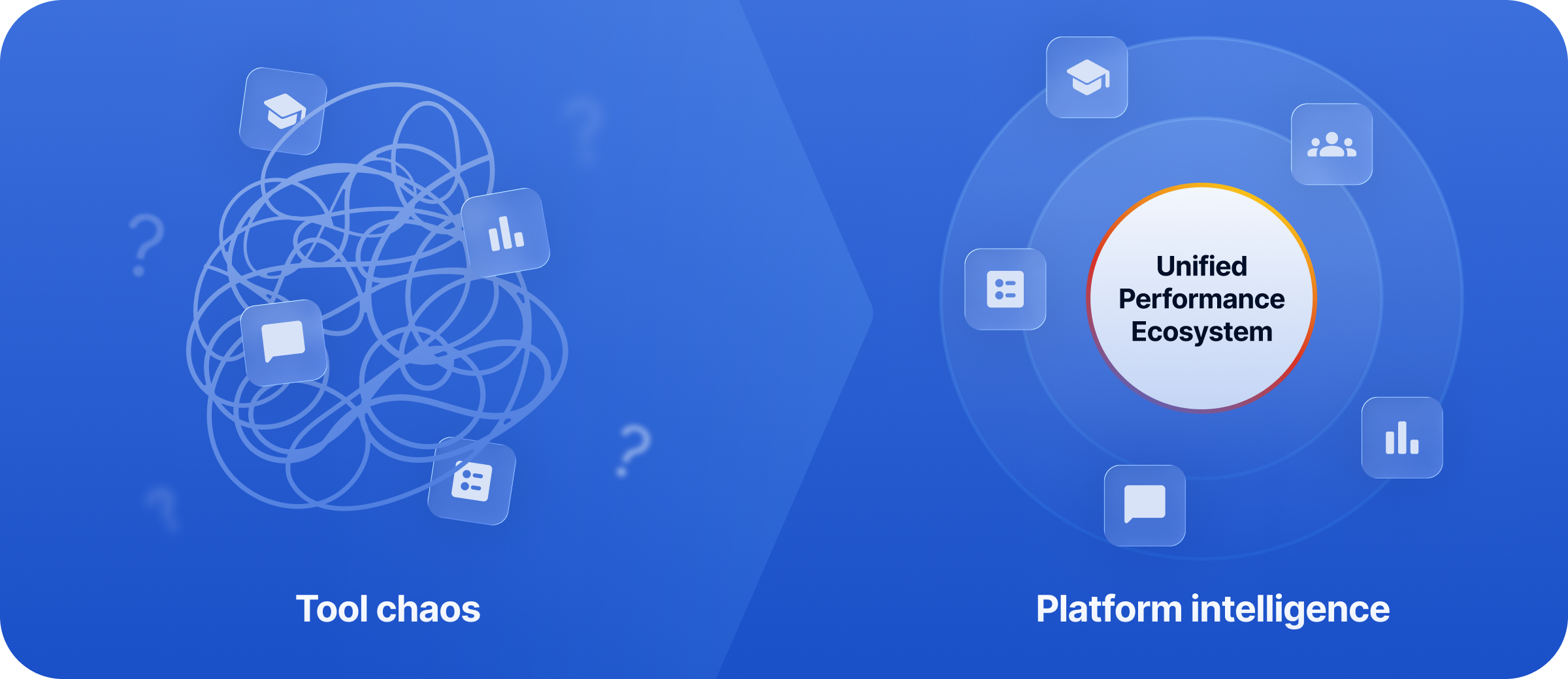
In 2025, the companies climbing the DSN Global 100 rankings were the ones that shifted from fragmented tech stacks and one-off tools to connected performance ecosystems. Instead of thinking in terms of training, CRM, recognition, or onboarding as separate experiences, they unified everything into one intelligent platform.
Why it matters for 2026
Distributor expectations have permanently changed:
- They want mobile-first tools.
- They expect automation.
- They require personalized guidance.
- They value simplicity above all else.
Technology is no longer a support function, it is the system that enables sustained growth.
Actions for 2026
✓ Consolidate scattered systems into a unified performance enablement platform.
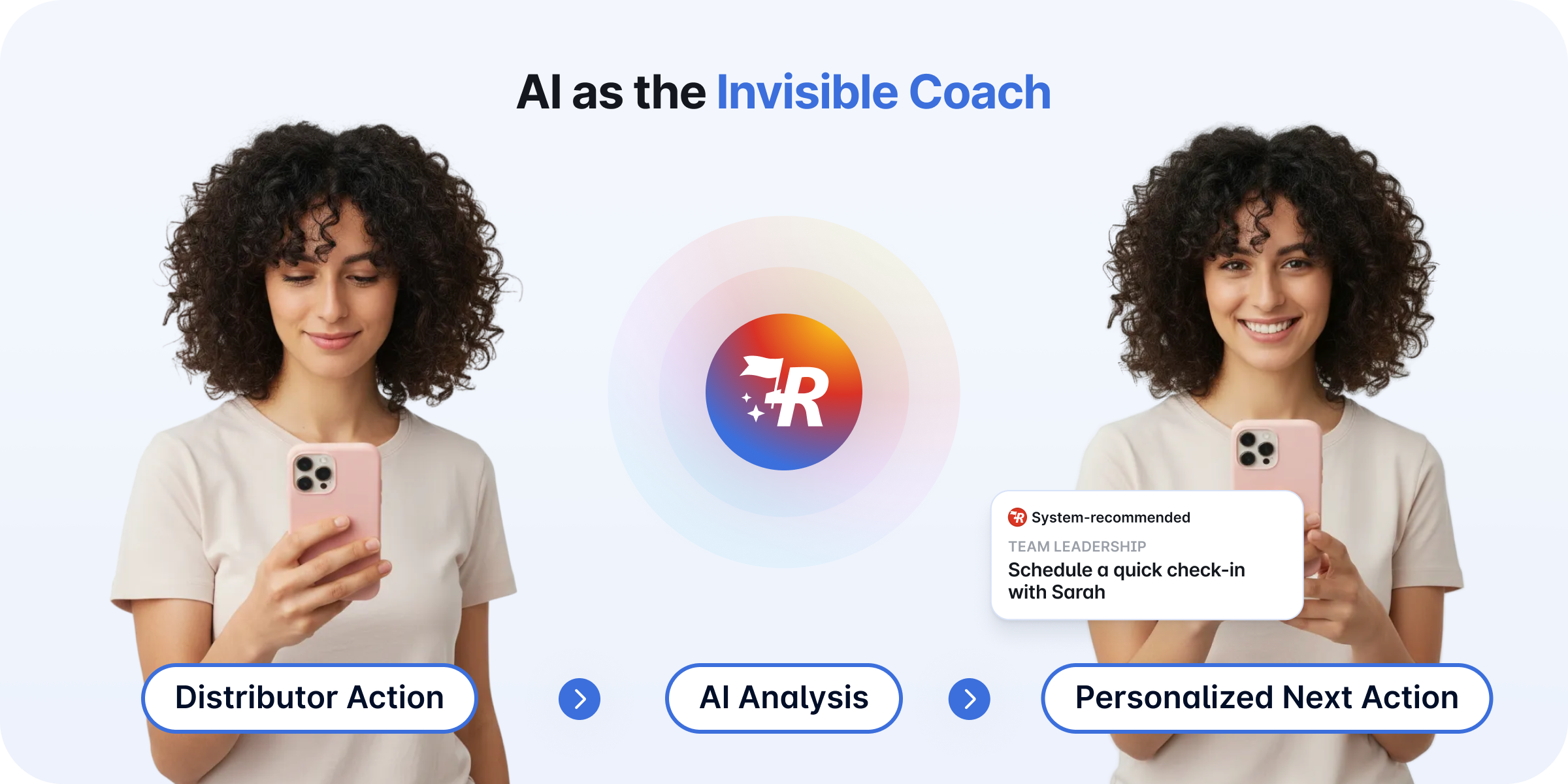
✓ Use AI to deliver personalized actions that help distributors build daily momentum.
✓ Modernize onboarding to eliminate friction and reduce early attrition.
Lesson 2: Personalization drives performance, generic programs don’t.
2025 cemented a major shift: companies that treated every distributor the same struggled to keep people engaged. Meanwhile, companies using data to tailor experiences – onboarding, coaching, incentives – saw retention gains.
Across the Global 100, personalization surfaced as an unmistakable theme.
Why it matters for 2026
Field populations are more diverse than ever in age, motivation, digital fluency, and economic needs. A one-size-fits-all approach is no longer viable.
Actions for 2026
✓ Deliver individualized learning paths based on performance and goals.
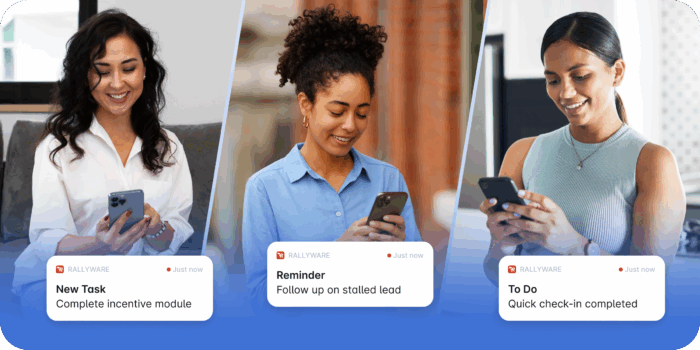
✓ Use intelligent nudges to help distributors prioritize the right actions at the right time.
✓ Create micro-segmented incentives aligned with early, mid, and late-stage distributor journeys.
Lesson 3: Incentives must evolve to match how today’s distributors work.
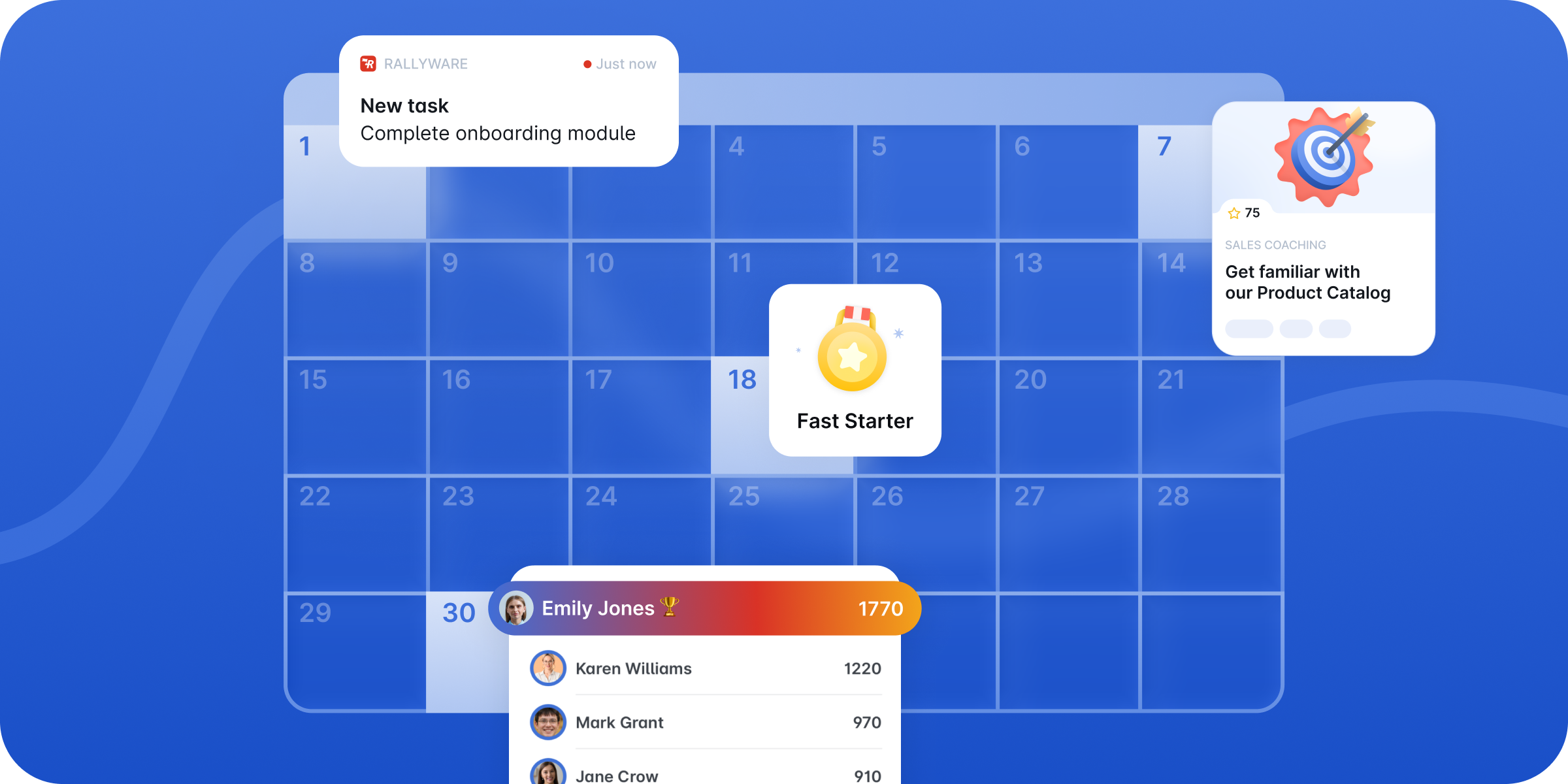
Many companies in 2025 revisited compensation plans, not to rewrite the entire structure, but to modernize how incentives motivate behavior. The companies gaining ground emphasized behavior-driven incentives, simplifying qualifications and rewarding consistent engagement rather than just top-end volume.
Why it matters for 2026
Distributors today balance multiple income streams and side hustles. They’re motivated by clarity, transparency, recognition, and progress, not complexity.
Actions for 2026
✓ Simplify incentive structures so distributors understand their next step instantly.
✓ Introduce progress-based micro-incentives to encourage daily momentum.
✓ Use AI to predict which incentives will motivate the right activity at the right time.

Lesson 4: Retention gains come from empowering, not overwhelming, the field.
In 2025, companies with the highest retention in the DSN Global 100 were those that removed unnecessary friction. They eliminated redundant workflows, clarified expectations, and focused on helping distributors win early.
Why it matters for 2026
Distributor lifecycles are shortening across the industry. Retention must become a strategic priority, not a downstream metric.
Actions for 2026
✓ Redesign the first 30 days of the distributor journey with step-by-step activation pathways.
✓ Use predictive analytics to flag at-risk individuals before they disengage.
✓ Provide real-time coaching insights to leaders so they can intervene early.
Lesson 5: Leadership effectiveness is being redefined.
2025 spotlighted a new breed of direct selling leadership, less focused on top-down directives and more focused on enablement. Companies advancing in the rankings empowered leaders with dashboards, insights, and performance analytics that allowed them to coach with precision.
Why it matters for 2026
Distributors want leaders who can help them take meaningful action, not just cheer them on.
Actions for 2026
✓ Equip field leaders with real-time visibility into distributor performance.
✓ Train leaders to coach around leading indicators (behaviors), not lagging indicators (volume).
✓ Help leaders adopt a more data-driven, empathetic coaching style.

Lesson 6: AI went mainstream in 2025, and 2026 will demand even more intelligent automation.
2025 was the year AI shifted from experimentation to implementation. Companies used AI to:
- Automate repetitive communication
- Predict churn
- Personalize content
- Surface next-best actions
- Improve onboarding outcomes
Why it matters for 2026
AI is now a competitive differentiator.
Companies that don’t adopt it risk higher churn, slower onboarding, and diluted field productivity.
Actions for 2026
✓ Adopt AI-first onboarding models that adapt to distributor behavior in real time.
✓ Use AI to identify patterns in high-performing distributors.
✓ Automate coaching workflows to give every distributor individualized guidance.
The Blueprint for 2026: Build a Performance Culture
Bringing these lessons together, the biggest takeaway from 2025 is this:
High-performing direct selling companies win by enabling their people.
Not by adding complexity.
Not by pushing more volume.
Not by scaling manual leadership.
But by building an intelligent, connected ecosystem where every person knows exactly what to do next to succeed.
In 2026, leaders who embrace this model will gain momentum, while those who cling to traditional, fragmented approaches will fall behind.
FAQ
What were the biggest direct selling trends of 2025?
The top trends included rapid digital adoption, AI-driven personalization, incentive simplification, and improved onboarding.
Why is 2026 such a pivotal year?
Distributor expectations have fundamentally changed, making digital enablement essential for retention, activation, and growth.
How can companies improve distributor retention in 2026?
By reducing friction, modernizing onboarding, personalizing coaching, and using predictive analytics to flag at-risk individuals.
What role will AI play in 2026?
AI will drive personalized guidance, incentive recommendations, churn prediction, and automated coaching workflows.
News and Insights on Workforce Training & Engagement
We’re among top-notch eLearning and business engagement platforms recognized for effective training and talent development, helping to empower distributed workforces
Subscribe